Pool Etiquette for Beginners: 10 Rules Every Player Should Know

Quick answer: Basic pool etiquette means staying still and quiet while your opponent shoots, waiting for them to finish before you step up, being honest about fouls, treating the table and equipment with care, not giving unwanted advice, and shaking hands at the start or end of a match. Good manners make the game more fun and help you get invited back.

Pool etiquette for beginners: two pool players shaking hands across a pool table after a friendly game
Pool etiquette for beginners: good manners make every game more fun.

Pool has a lot of unwritten rules. New players often break them without knowing it. Here are ten simple ones to learn.

1. Stay Out of the Shooter’s Line

Do not stand where the shooter can see you while they aim. Stay back from the table and avoid standing behind the pocket they are shooting at.

2. Keep Still and Quiet

When your opponent is down on a shot, do not talk, move around, or chalk loudly. Wait until they finish.

3. Wait Your Turn

Do not walk to the table until your opponent’s turn is over and the balls have stopped.

4. Be Honest About Fouls

If you foul, say so, even if nobody saw it. If you are not sure about a close hit, it is smart to ask for someone to watch before you shoot.

5. Do Not Coach Unless Asked

Many people do not want tips during a game. Save advice for later, and only if they ask.

6. Take Care of the Table

Do Do Not
Keep drinks off the rails Set drinks or food on the table
Use the bridge for long shots Sit on the table
Chalk away from the table Leave chalk face down on the rail

7. Play at a Reasonable Pace

Take your time to think, but do not slow the game way down. If there are people waiting, keep things moving.

8. Win and Lose With Class

Shake hands. Say “good game.” Do not slam your cue or complain about luck. Everyone gets lucky and unlucky rolls.

9. Follow the House Rules

Bars and pool halls often have their own rules, like quarters on the rail to hold the next game or a time limit per player. Ask if you are not sure.

10. Respect Other People’s Cues

Never pick up someone else’s cue without asking. Many players care a lot about their equipment.

Bar Pool Tips

  • Ask before you put your quarters up.
  • Know whether the house plays call pocket or not.
  • Agree on rules before the first break.
  • If the table is busy, play one game and let others have a turn.

League and Tournament Tips

  • Arrive on time.
  • Know your league’s rule book.
  • Ask a referee or captain to watch close hits.
  • Keep your phone quiet.

Common Beginner Mistakes

Mistake Fix
Talking during shots Wait until the shot is over
Standing in the shooter’s view Step back and to the side
Arguing about rules mid game Agree on rules before you start
Not admitting fouls Be honest every time

Why Etiquette Matters

Pool is a social game. Players remember who is friendly and fair. Good manners help you find practice partners, join leagues, and get invited to play again.

Etiquette at Home Tables

Good manners matter at a friend’s house too. Ask before you use the table, keep drinks on a side table, and put the balls, chalk, and cues back where you found them. If you are a guest, offer to rack and let the host break first. Simple courtesy makes people happy to invite you back, and it keeps their table in good shape for years. These habits also carry over to leagues, pool halls, and tournaments, where people notice how you treat the equipment.

The Bottom Line

Pool etiquette is simple respect. Stay still while others shoot, be honest about fouls, take care of the table, and shake hands. Do these things and you will be welcome at any table.

Keep Reading on This Site

Frequently Asked Questions

What is basic pool etiquette?

Stay still and quiet while others shoot, wait your turn, call your own fouls, and treat the table with care.

Is it rude to give advice during a pool game?

Usually yes. Only give tips if the other player asks.

Should I call my own foul in pool?

Yes. Being honest about fouls is part of good sportsmanship.

What should I do before a game at a bar?

Ask about house rules and agree on the rules with your opponent before the break.

How to Stop Missing Easy Shots in Pool: 8 Simple Fixes

Quick answer: Most easy shots are missed because the player relaxes too much, rushes, or moves during the stroke. To stop missing them, use the same pre shot routine on every shot, pick a clear target on the object ball, stay down until the ball drops, and use a smooth stroke with soft speed. Also, think about where the cue ball is going before you shoot, but once you are down on the shot, focus only on making the ball.

How to stop missing easy shots in pool: an easy straight in shot near a corner pocket with the cue lined up behind the cue ball
How to stop missing easy shots in pool: treat every easy shot like it matters.

Every pool player has done it. You run a few hard shots, then miss a ball that was hanging in the pocket. It is frustrating. The good news is that missing easy shots is usually a habit problem, not a skill problem. Here are eight simple fixes.

Why Do We Miss Easy Shots?

Easy shots get missed for a few common reasons:

  • We do not take them seriously.
  • We are already thinking about the next shot.
  • We rush.
  • We jump up to watch the ball go in.
  • We hit them too hard.

Each of these has a fix.

1. Use the Same Routine Every Time

A pre shot routine is the set of steps you do before every shot. Stand behind the shot, pick your target, step in, take your practice strokes, pause, then shoot. If you use the same routine on easy shots as hard ones, you will not get sloppy. See our post on how to practice pool by yourself for ways to build this habit.

2. Plan First, Then Focus

Think about cue ball position while you are standing up. Once you get down on the shot, the only job left is to make the ball. Many easy misses happen because the player is still thinking about the next shot during the stroke.

3. Pick a Small Target

Do not aim at “the ball.” Aim at a tiny spot on the object ball, the contact point. A small target makes your aim sharper.

4. Stay Down

Jumping up is one of the biggest causes of easy misses. Stay down and keep your head still until the object ball goes in. If you have trouble with this, try counting to two after the hit before you stand up.

5. Slow Down Your Stroke

Easy shots usually need soft speed. A slow, smooth stroke is easier to keep straight. Hitting too hard on an easy shot adds risk for no reason.

6. Check Your Stance and Bridge

A wobbly bridge or a stance that is off the shot line will make you miss even simple shots. Make sure your bridge hand is flat and steady, and your body is lined up behind the cue. See our page on pool stance for beginners.

7. Do Not Steer the Ball

Some players try to guide the cue with their arm or body during the stroke. This is called steering. Trust your aim and let the cue go straight through.

8. Practice Easy Shots on Purpose

It sounds strange, but practicing easy shots helps. Set up ten easy shots and try to make all ten in a row. If you miss one, start over. This builds focus and makes easy shots feel automatic.

Quick Fix Table

Problem Fix
Rushing Use your full routine
Thinking about the next shot Plan first, then focus
Jumping up Stay down until the ball drops
Hitting too hard Use soft, smooth speed
Wobbly bridge Press your hand firmly to the table
Steering Trust your aim and follow through

Mental Tips

  • Respect every shot. No shot is a sure thing until it is in the pocket.
  • Breathe. Take one slow breath before you go down on the shot.
  • Do not get mad at a miss. Notice what went wrong and fix it on the next shot.

Simple Drill: Ten in a Row

Place ten balls around the table, each about a foot from a pocket. Put the cue ball a foot or two behind each one. Shoot them in any order. Your goal is ten in a row. Keep track of your best score each week.

Easy shots win games. Treat each one with care, and you will lose fewer racks to silly misses.

Keep Reading on This Site

Frequently Asked Questions

Why do I miss easy shots in pool?

Common reasons are rushing, jumping up, hitting too hard, and thinking about the next shot during the stroke.

How do I stop jumping up in pool?

Keep your head still and stay down until the object ball drops. Counting to two after the hit can help.

Should I use a pre shot routine on easy shots?

Yes. Using the same routine on every shot helps stop sloppy misses.

How can I practice easy shots?

Set up ten easy shots and try to make them all in a row, starting over after any miss.

How to Find the Balance Point of a Pool Cue in 3 Easy Steps

Quick answer: To find the balance point of a pool cue, put the cue across one finger and slide your finger along the cue until the cue stays level without tipping to either side. That spot is the balance point. Many players use it as a guide for where to put their grip hand, often a few inches behind the balance point. It is a simple, free way to learn more about your own cue.

How to find the balance point of a pool cue: a pool cue balanced on one finger above a pool table
How to find the balance point of a pool cue: slide one finger along the cue until it rests level without tipping.

Every cue has a balance point, the spot where the weight is the same on both sides. Knowing where it is helps you set up your grip in the same spot every time. Here is how to find it and how to use it.

What Is the Balance Point of a Pool Cue?

The balance point is the spot on the cue where it balances evenly. Most of the weight of a cue is in the butt, the thick back half. That is why the balance point is usually on the butt, not in the middle of the whole cue. The exact spot depends on how the cue was made, so two cues can balance in different places.

How to Find the Balance Point in 3 Steps

Step 1: Hold Out One Finger

Hold out your finger, or use the edge of a table rail. Lay the cue across it so the cue points straight, with the tip on one side and the butt on the other.

Step 2: Slide Until It Is Level

Slowly slide the cue along your finger. If the butt drops, move your finger back toward the butt. If the tip drops, move toward the tip. Keep going until the cue rests level and stays there.

Step 3: Mark the Spot

Look at where your finger is. You can remember it by the wrap or the design on the cue. Some players measure the distance from the butt end with a tape measure so they know the number. Do not put tape or marks on a nice cue unless you are sure it will not hurt the finish.

Watch the video below to see how it is done.

Why Does the Balance Point Matter?

Grip Hand Position

A common tip is to place your grip hand a few inches behind the balance point. This often lets your forearm hang straight down when the tip is close to the cue ball. Every player is a bit different, so use it as a starting point, not a hard rule. Your height, arm length, and bridge length all play a part.

Buying a Cue

When you shop for a cue, the balance point helps describe how it feels. A cue that balances farther forward can feel heavier at the front. A cue that balances farther back can feel lighter at the tip. Neither is wrong. It is a feel thing, so try cues before you buy if you can.

Adding a Butt Extension or Weight

If you add an extension or change the weight bolt, the balance point moves. Check it again after any change.

How to Use the Balance Point at the Table

  1. Find your cue’s balance point once and remember it.
  2. Before each shot, place your grip hand in about the same spot behind it.
  3. Get into your stance and check that your forearm hangs close to straight down at contact.
  4. If your forearm angles forward or back, slide your grip a little and try again.
  5. Use the same grip spot for most normal shots so your stroke feels the same each time.

Common Mistakes

  • Gripping too tight. A light grip lets the cue swing freely.
  • Holding the cue too far back. The stroke gets long and loose.
  • Holding the cue too far forward. The stroke gets short and choppy.
  • Changing grip spots without a reason. Keep it the same unless the shot needs a change, like a long reach.

Finding the balance point takes less than a minute, and it gives you one more way to make your stroke steady and repeatable.

Watch: How to Find the Balance Point of a Pool Cue (Pool Skool with Ted)

Keep Reading on This Site

Frequently Asked Questions

Where is the balance point on most pool cues?

It is usually on the butt of the cue, because most of the weight is in the back half. The exact spot depends on the cue.

Where should I hold the cue compared to the balance point?

Many players start with their grip hand a few inches behind the balance point, then adjust so the forearm hangs straight down at contact.

Does the balance point change?

Yes. Adding a butt extension or changing the weight bolt can move it, so check again after any change.

Can I find the balance point without tools?

Yes. Just balance the cue on one finger and slide it until it stays level.

How to Practice Pool by Yourself: 7 Simple Drills for Solo Practice

Quick answer: To practice pool by yourself, use set drills instead of just shooting balls at random. Start with a straight stroke drill, then work on stop shots, follow and draw, speed control, and running a few balls. Keep score so you can see your progress. Thirty focused minutes a few times a week helps more than one long, random session.

How to practice pool by yourself: a pool table set up with balls in a line for a solo drill
How to practice pool by yourself: simple drills build skill faster than random shooting.

Playing games is fun, but practice alone is where you fix your stroke. You can set up the same shot again and again, and nobody is waiting on you. Here are seven drills you can do with just a table and a rack of balls.

1. The Straight Stroke Drill

Put the cue ball on the head spot. Shoot it straight down the table to hit the far rail in the center and come straight back to your cue tip. If it comes back off line, your stroke is moving. Do this ten times to warm up.

2. Straight In Shots

Put an object ball a foot from a corner pocket. Put the cue ball in line with it, two feet back. Shoot it in ten times. Move the cue ball farther back as you get better.

3. Stop Shot Drill

Use the same straight in shot. This time, try to make the cue ball stop dead where the object ball was. Hit a little below center with firm speed. Count how many of ten you stop.

4. Follow and Draw Drill

Set up the same shot again. First, hit above center so the cue ball follows into the pocket area. Then hit below center so it draws back toward you. Try to make the cue ball travel one foot, then two feet.

5. Speed Control Drill

With no object ball, shoot the cue ball up the table and try to make it stop close to the far rail without touching it. Then try to make it hit the far rail and stop near the side pocket. Speed control wins more games than fancy shots.

6. Line Up Drill

Throw five balls on the table. Take ball in hand and try to run all five in any order. Count how many you make before you miss. Write it down. Next time, try to beat it.

7. The Ghost Game

Play nine ball or eight ball against a “ghost.” Break, then take ball in hand and try to run out. If you run out, you win. If you miss, the ghost wins. This puts real pressure on you, even when you are alone.

A 30 Minute Practice Plan

  • 5 minutes: straight stroke drill
  • 10 minutes: straight in, stop, follow, and draw
  • 5 minutes: speed control
  • 10 minutes: line up drill or ghost game

Tips to Get More From Solo Practice

  • Keep a small notebook and write down your scores.
  • Work on your weak spot, not the shots you already make.
  • Use the same pre shot routine every time.
  • Stop when you get tired. Sloppy practice builds sloppy habits.

Keep Reading on This Site

Frequently Asked Questions

How can I practice pool by myself?

Use set drills like straight in shots, stop shots, follow and draw, speed control, and running balls, and keep score so you can track progress.

How long should I practice pool each day?

Thirty focused minutes a few times a week is a good start. Short, focused practice beats long, random sessions.

What is the ghost game in pool?

You play against an imaginary opponent. You break and try to run out with ball in hand. If you miss, the ghost wins.

What should a beginner practice first in pool?

Start with a straight stroke and straight in shots, then add stop shots, follow, and draw.

What Is a High Run in Pool? Straight Pool Records Made Simple

Quick answer: A high run in pool is the number of balls a player makes in a row without a miss or a foul. In straight pool, the world record high run is 832 balls. Jayson Shaw set it on January 6, 2025.

Bar chart of straight pool 14.1 world record high runs: Mosconi 526 in 1954, Schmidt 626 in 2019, Shaw 669 in 2022 and Shaw 832 in 2025
The straight pool record went from 526 to 626 to 669 to 832. Jayson Shaw holds it now with 832 balls. Graphic: Ted Mauro

Watch the video

Watch the straight pool record video on YouTube

What You Will Learn

  • What a high run means
  • Why straight pool is the game for high runs
  • The three big record numbers
  • How the record is checked

What Does High Run Mean?

Each time you make a ball, your run goes up by one. If you miss or foul, your run ends. Your high run is the best run you have ever had.

In a lesson, a high run is a great way to track your progress. It shows how well you can make shots and set up the next one.

Why Straight Pool Is Made for Long Runs

Straight pool is also called 14.1 continuous. You call each ball and pocket, and each ball is worth one point. When only one ball is left, the other 14 balls are racked again. You then try to make the last ball and break open the new rack.

Because play does not have to stop, a great player can keep going for rack after rack. To run 100 balls, you must run more than six racks with no mistakes.

Straight pool 14.1 rack diagram showing 14 balls racked with the front spot empty, the 15th ball and the cue ball
In straight pool, 14 balls are racked again and one ball is left out. You make that ball and break open the new rack. Graphic: Ted Mauro

The Record High Runs

Willie Mosconi ran 526 in 1954. That record lasted 65 years. John Schmidt ran 626 in 2019. Jayson Shaw ran 714 in 2022, but it was certified as 669 after a foul was found on the video. Then Shaw ran 832 in 2025, and that is the record today.

You can read the whole story, with videos, in my full write up on the straight pool high run record.

Jayson Shaw lining up a pool shot in 2022, the player who set the 832 ball straight pool high run record
Jayson Shaw lines up a shot in 2022. In 2025 he ran 832 balls in a row. Photo: Puddin Tain via Flickr, CC BY-SA 2.0. Resized.

Who Checks a Record?

The Billiard Congress of America (BCA) watches the full, unedited video of a record try. If it finds a foul, the run only counts up to that point. That is how Shaw’s 714 became 669.

If you want help building your own runs, these free billiards instruction videos are a good next step.

The Bottom Line

Your high run is your own record. Write it down after each practice. Mosconi, Schmidt and Shaw all started with small runs too. Every big number in this story was built one ball at a time, with a plan for the next shot. If you keep track and keep practicing, your best run will grow.

FAQ

What is a good high run for a beginner?
Any run that beats your last best is a good one. Track it each time you practice.

What is the world record high run?
It is 832 balls in straight pool, by Jayson Shaw in 2025. The BCA confirmed it.

Has anyone run 1,000 balls?
Not as of October 2026. Shaw has said, “My goal is 1000.”

Does a foul end a run?
Yes. A miss or a foul ends your run.

Get My Free 7 Part Fundamental Billiards Course

Sources

About the Author

I am Ted Mauro. I have played pool for over 50 years and played organized league and tournament pool for over 38 years.

How Much Do Billiard Lessons Cost? 6 Things That Set the Price

TLDR: There is no one price for billiard lessons. The cost depends on the teacher, the place, the length of the lesson, and more. Ask a few teachers for their rates. You can also start with free lessons online.

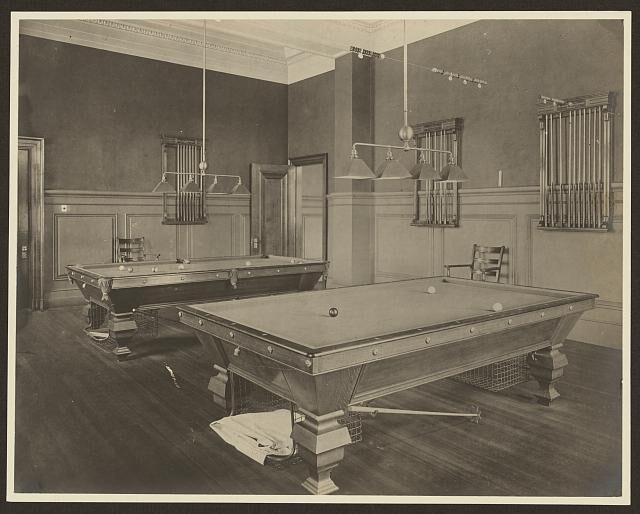
Old billiard hall with rows of tables, a place to take billiard lessons
“Homestead Library billiard hall.jpg” (Public domain), via Wikimedia Commons

What you will learn:

  • The six things that change the price of a lesson
  • Questions to ask a teacher
  • Free ways to learn before you pay

People ask me this a lot. I have played pool for more than 50 years and in leagues and tournaments for more than 38 years. I will not give you a number here, because prices change from town to town and teacher to teacher. A made up number would not help you. What I can do is show you what drives the price, so you can judge a fair deal.

1. Who Is Teaching

Some teachers have years of experience. Some have formal teaching credentials. Some are strong local players who teach on the side. More experience often means a higher rate. But the best teacher for you is one who explains things in a way you understand.

2. Private or Group

A private lesson is just you and the teacher. You get all the attention. A group class splits the time with others. Group classes often cost each person less. They can be fun, too. Private lessons let you work on your own problems.

3. How Long the Lesson Lasts

Lessons can be short or long. A longer lesson costs more. But longer is not always better. New players often learn best in shorter sessions. Your brain and your arm get tired.

4. Where You Take It

Some lessons are at a pool hall. You may also need to pay for table time. Some teachers come to your home table. That may cost more because of travel. Online lessons by video call can cost less, since nobody has to travel.

5. Packages and Plans

Many teachers offer a set of lessons for one price. A package can lower the cost of each lesson. Before you buy one, take a single lesson first. Make sure you like the teacher.

6. What Is Included

Ask what comes with the lesson. Some teachers give you drills to take home. Some film your stroke so you can see it. Some check in between lessons. These extras add value.

Questions to Ask Before You Pay

  • What is your rate, and is table time extra?
  • How long is each lesson?
  • Do you teach beginners?
  • What will we work on first?
  • Do you give practice drills?

A good teacher will be happy to answer.

Free Ways to Learn First

You do not have to spend money to start. I share free lessons in my Pool School. I also post videos on my YouTube channel. Learn the basics there. Then, if you want more help, a paid lesson will go further, because you will already know the basics.

Many leagues also help new players. Teammates often share tips. That is how I learned a lot of what I know.

FAQ

Are billiard lessons worth the money?
For many players, yes. A good teacher can spot a problem in minutes that you might not find for years.

How many lessons do I need?
It depends on your goals. A few lessons can fix the basics. Then practice on your own.

Can I learn pool from videos?
Yes, you can learn a lot. Videos are a good place to start. A live teacher can watch you and give feedback.

Where can I find a teacher?
Ask at your local pool hall or league. Players there usually know who teaches.

Summary

How much do billiard lessons cost? It depends on the teacher, private or group, length, place, packages, and extras. Ask questions before you pay. And start with free lessons to get the most from any money you spend.

About the Author

I am Ted Mauro. I have played pool for more than 50 years and in leagues and tournaments for more than 38 years.